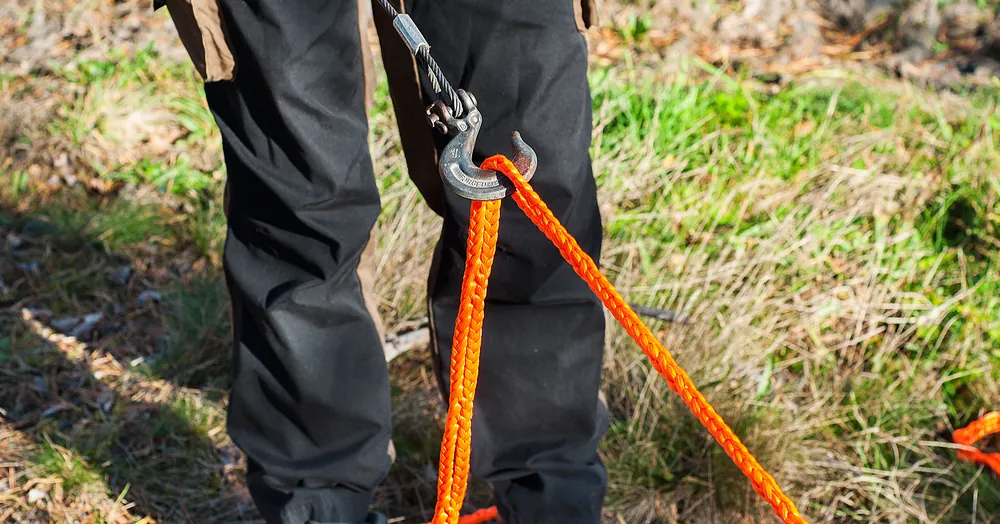
Four locks. That is all you need.
Every RunLock lock is made the same way: the rope goes through one of its own loops. Four variations cover everything from a tow hitch to a washing line. The animations play one step at a time and pause on each step; drag the slider to go back and forth, and press Slow if it goes too fast.
Running loop
The everyday lock. The rope runs through one of its own loops, so the noose tightens under load and opens again when you slack it off.
- Tow hitch
- Posts and rails
- Bundles
- Game
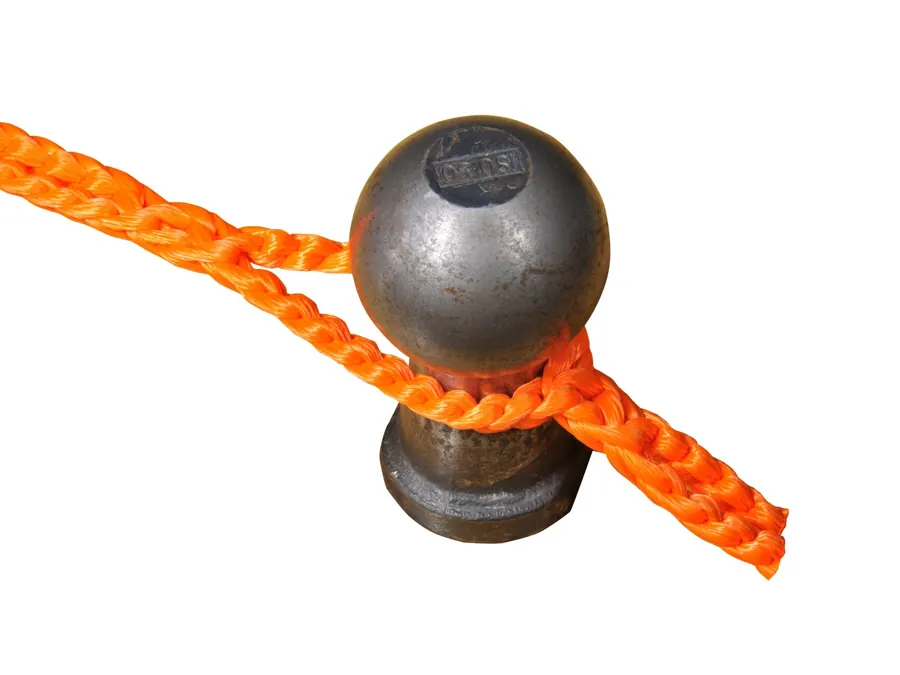 Running loop on a tow ballStep-by-step pictures and where to use it →
Fixed loop
A loop that keeps its size whatever the load. For a carabiner, a ring, or a hand grip that must not choke.
- Carabiners
- Rings
- Hand grip
- Leashes
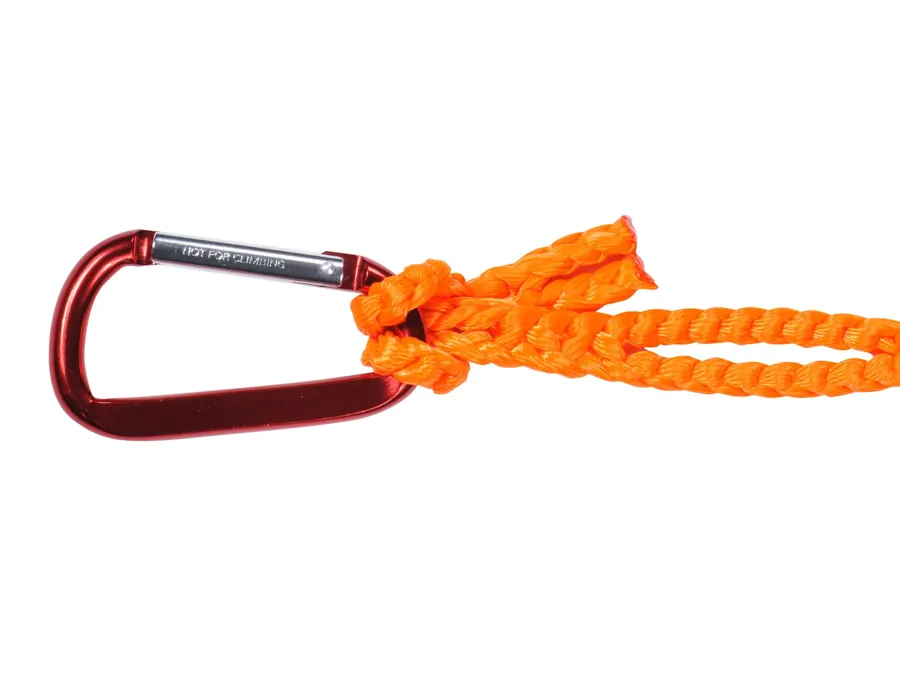 Fixed loop on a carabinerStep-by-step pictures and where to use it →
Quick loop, fixed release
The lock for closed rings, hooks and chains under heavy load. It will not untie however hard you pull, and one pull on the free end releases it.
- Towing
- Trailer rings
- Chains
- Heavy loads
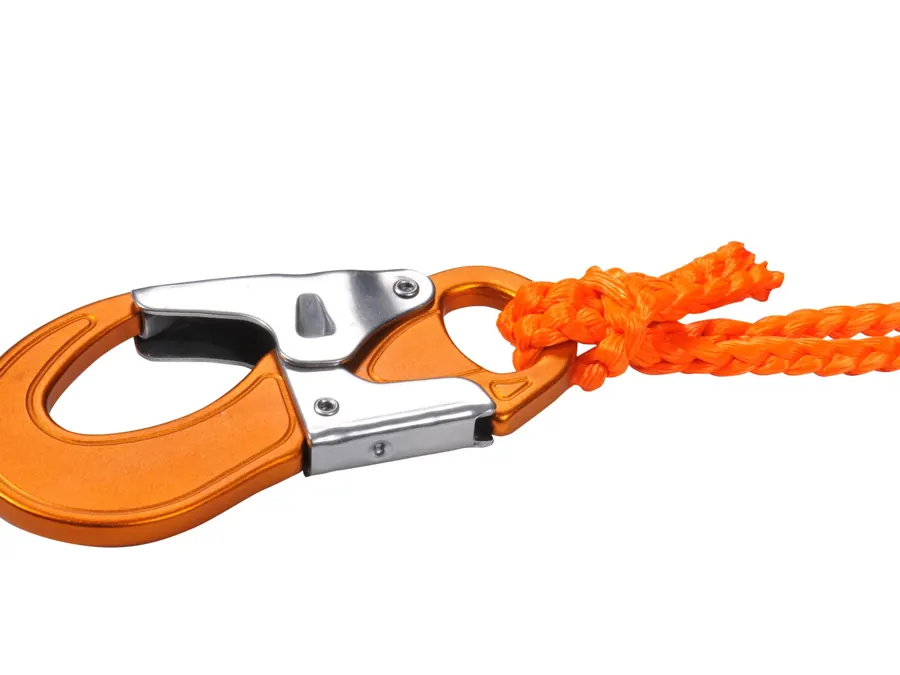 Quick loop on a hookStep-by-step pictures and where to use it →
Securing lock
For tying down cargo and anything that must not creep. The rope goes over the load, around the anchor and locks on itself, with the built-in stretch keeping it tight.
- Cargo
- Roof racks
- Timber
- Boats
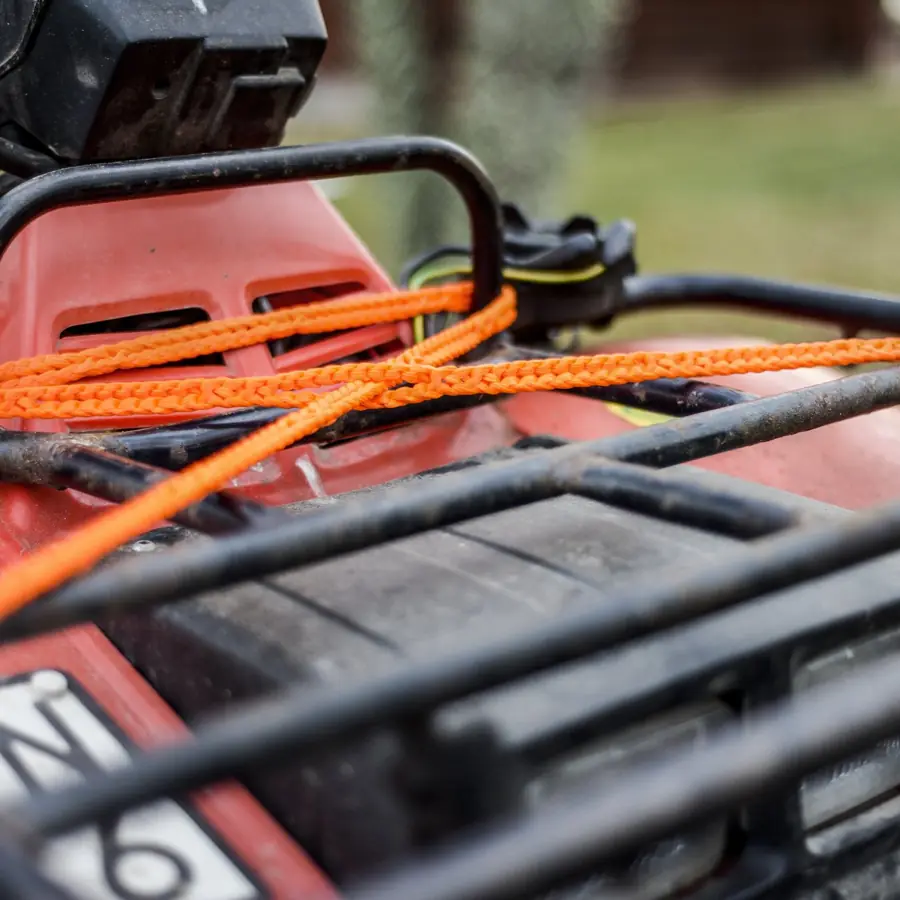 Securing lock on a quad rackStep-by-step pictures and where to use it →
Pick the lock by what it holds.
Sliding, fixed, quick to release, or wrapped around an anchor. Each lock has its own page with step-by-step pictures and the products that use it.
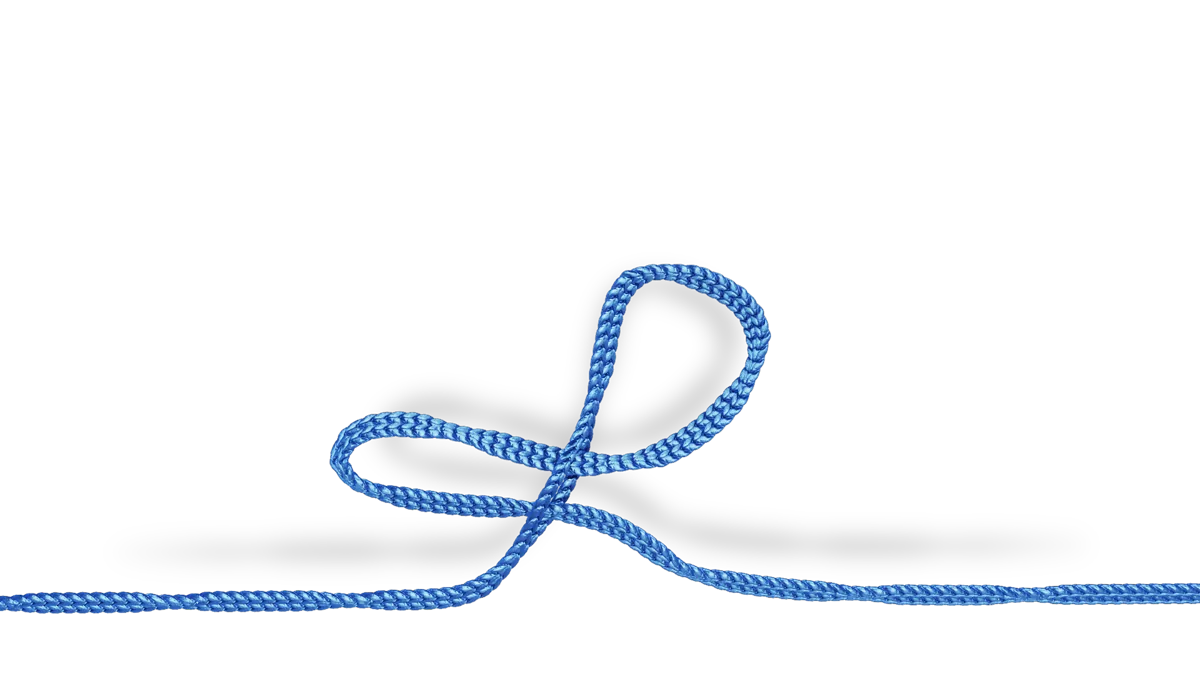 Running loopA noose that tightens under load and opens when slack. Tow hitch, posts, bundles, game.
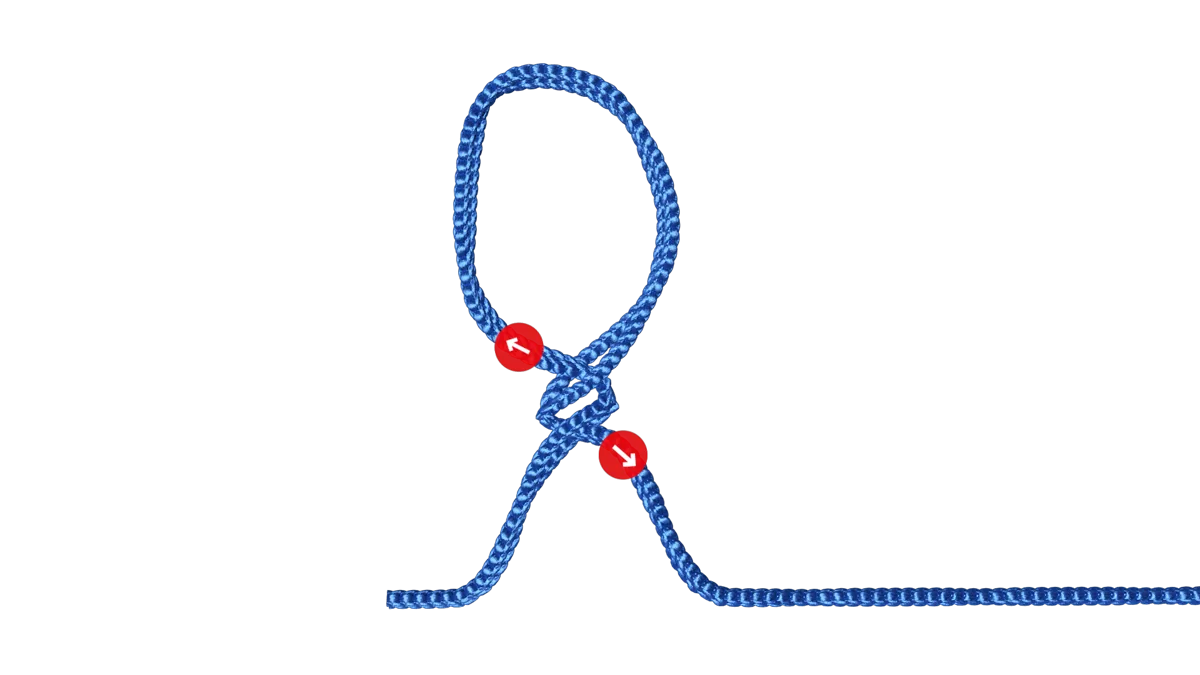 Fixed loopKeeps its size whatever the load. Carabiners, rings, hand grips, leashes.
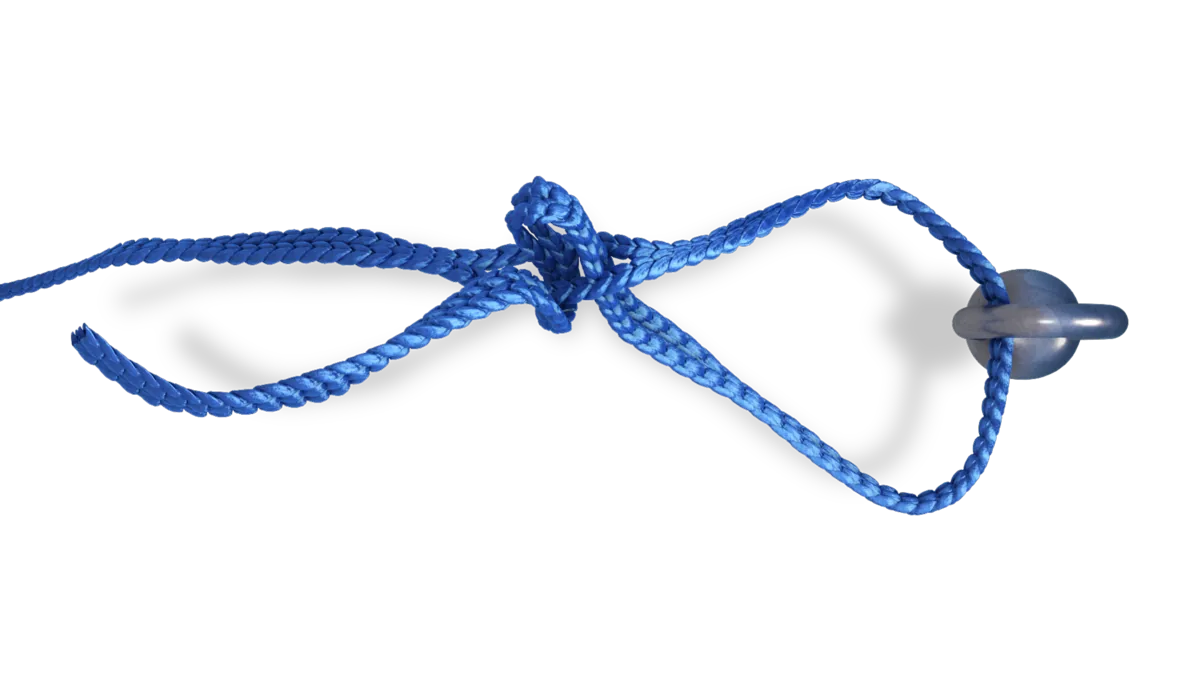 Quick loop, fixed releaseHolds on rings, hooks and chains under heavy load, releases with one pull.
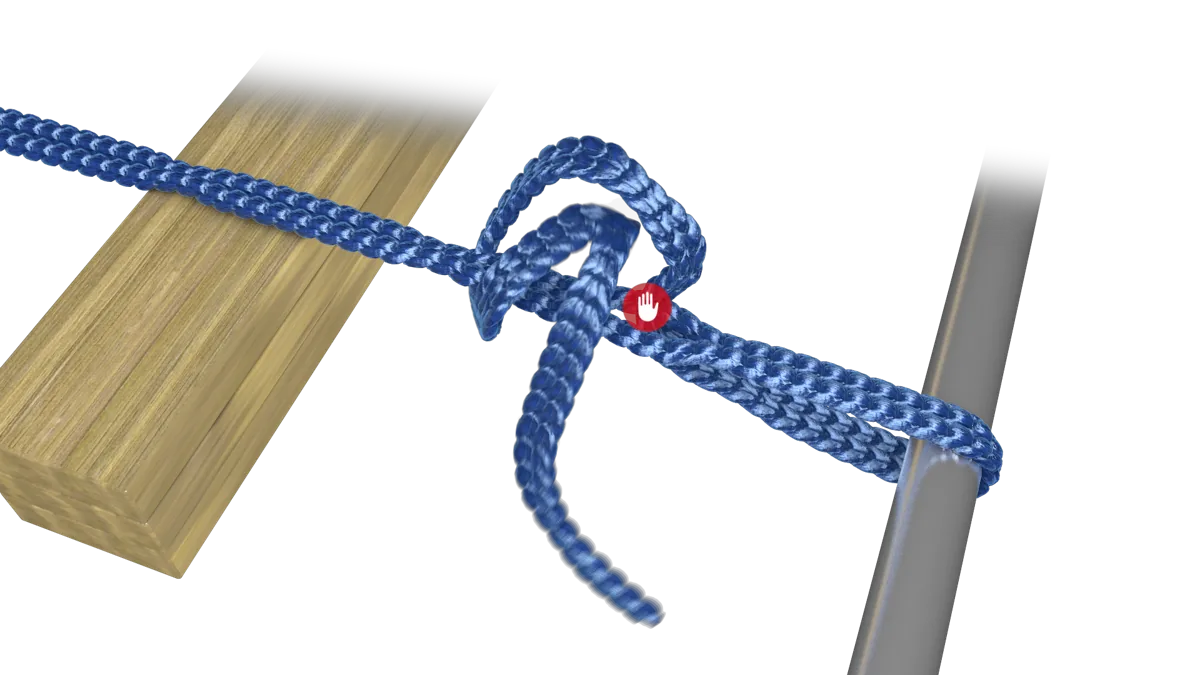 Securing lockOver the load, around the anchor, locked on itself. Cargo, roof racks, timber, boats.